
building healthy habits and happy smiles from the very first tooth
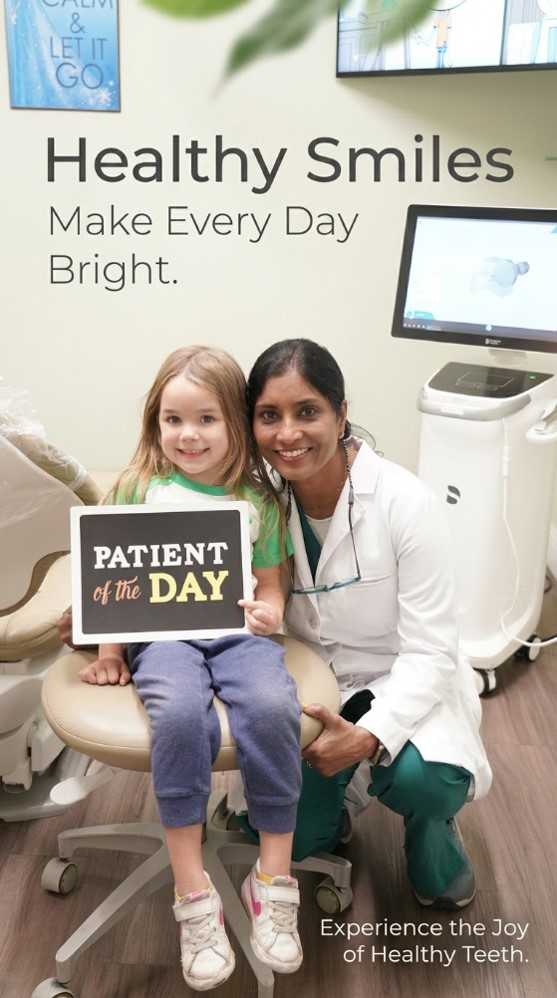
When should my child first see a dentist?
The American Academy of Pediatric Dentistry recommends a child’s first dental visit by their first birthday — or within 6 months of the first tooth erupting. Early visits are brief, gentle, and focused on prevention and parent education. Starting early means your child grows up seeing the dentist as a normal, positive part of life.
- Age: 2 -Recommended age for first dental visit
- 2× Cleanings per year keep childhood decay away
- 42% Of children have cavities in baby teeth by age 11
- 100% Preventive visits covered by most insurance plans
"A child's relationship with dentistry is formed in the first handful of visits. My job is to make sure every one of those visits is calm, predictable, and ends with the child feeling good about what just happened. That's what builds a lifetime of healthy habits."
Dr. Aparna Sadineni
Dental milestones by age
First visit
Baby teeth in
Sealants
Mixed dentition
Full adult smile
Does insurance cover children's dental care?
Most dental insurance plans and many state programs cover preventive care for children — including exams, cleanings, fluoride, and X-rays — at 100%. Coverage for fillings and other treatment varies.
Everything we offer for young patients
, and a pace set by your child — never rushed.
Routine exam & cleaning
Comprehensive tooth and gum check, professional clean, polishing, and flossing — the foundation of a cavity-free childhood. Every 6 months.
Digital X-rays
Low-radiation digital images taken only when clinically indicated — typically once a year for cavity detection between teeth and monitoring development.
Dental sealants
A thin protective coating applied to the chewing surfaces of back molars — the most cavity-prone area. Sealants reduce decay risk by up to 80% in treated teeth.
Fluoride treatment
A professional fluoride varnish applied after cleaning strengthens developing enamel and re-mineralises early decay spots before they become cavities.
Cavity fillings
Tooth-coloured composite fillings for baby and adult teeth — matched to natural tooth colour, mercury-free, and completed gently in a single visit.
Orthodontic monitoring
Regular assessment of tooth spacing, bite development, and jaw growth from age 7 — so any alignment issues are identified early and treatment planned at the optimal time.
Sports mouthguards
Custom-fitted guards for young athletes in any contact sport — far more protective and comfortable than over-the-counter options from a pharmacy.
Night guards for grinding
Children who grind (bruxism) can wear down enamel quickly. A custom night guard protects developing teeth and helps identify if a bite correction is needed.
Parent education
Every visit includes guidance on brushing technique, diet, thumb-sucking, pacifiers, and any developmental concerns — tailored to your child’s current age and stage.
Especially for nervous children
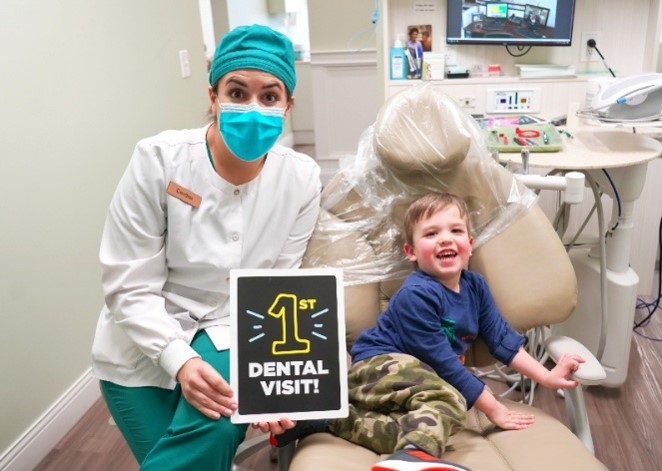
Does your child have dental anxiety? We specialise in gentle, patient care.
Many children — and adults — come to us after difficult experiences elsewhere. Our team is trained in tell-show-do technique, distraction-based care, and creating a predictable, calm environment. We never force a child through a procedure. If a child is very anxious or needs more involved treatment, oral conscious sedation is available and makes even complex visits manageable and positive.
Tell-show-do technique
✓ Child’s pace always
✓ Sedation available
✓ No forced procedures
✓ Parent present throughout