Wisdom teeth removal — gentle, in-office extraction with same-day relief
What are wisdom teeth — and why do they cause problems?
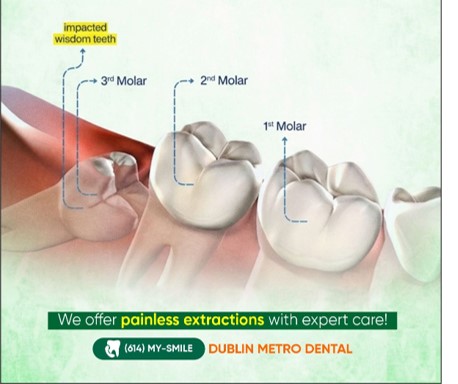
Wisdom teeth (third molars) are the last teeth to erupt, typically appearing between ages 17 and 25. Most adults don’t have enough space in their jaw for these four additional molars to emerge properly. When there isn’t enough room, wisdom teeth become impacted — trapped beneath the gum, growing at an angle, or only partially erupting — causing pain, infection, crowding, and damage to adjacent teeth. Even wisdom teeth that appear to have erupted straight can harbour decay and gum disease that is difficult or impossible to clean effectively.
The best age for wisdom tooth removal
Earlier removal is nearly always safer and easier. Root formation is incomplete in younger patients, meaning shorter roots, less risk, and faster healing.

17–24
Ideal window

25-35
Still straight forward

35+
More complex
Oral conscious sedation — the comfortable way to remove multiple wisdom teeth
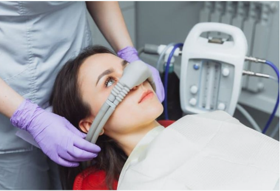
Removing all four wisdom teeth at once under local anesthetic alone is manageable — but for most patients, oral conscious sedation transforms the experience entirely. You take a prescription sedative pill before the appointment, arrive already relaxed, and have little to no memory of the procedure. You’ll need someone to drive you home, but the following day you feel normal. Dr. Sadineni and our team administer sedation regularly and monitor you throughout.
Six clinical reasons wisdom teeth need to come out
Repeated infection (pericoronitis)
Partially erupted teeth trap food and bacteria under a gum flap, causing a recurring painful infection called pericoronitis.
Damage to the adjacent molar
An impacted wisdom tooth pressing against the second molar can cause decay, root resorption, and bone loss affecting an otherwise healthy tooth.
Abscess or cyst formation
Unerupted wisdom teeth can develop cysts around the crown that enlarge over time, hollowing out bone and risking jaw fracture.
Crowding and tooth movement
Pressure from erupting wisdom teeth can shift the front teeth — undoing years of orthodontic work and creating new alignment problems.
Decay — impossible to clean
Even a fully erupted wisdom tooth at the back of the jaw is extremely difficult to brush and floss effectively — making decay almost inevitable.
Pre-orthodontic preparation
Removing wisdom teeth before or during Invisalign or braces treatment prevents future crowding that can compromise alignment results.
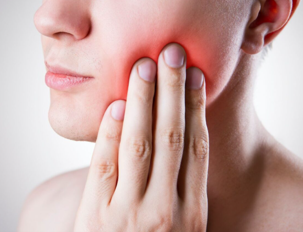
⚠️ Symptoms that mean you need same-day care
- Severe throbbing pain at the back of the jaw
- Swelling of the jaw, cheek, or face
- Difficulty fully opening your mouth (trismus)
- Fever alongside dental pain
- Swollen, red, or oozing gum around the tooth
- Pain radiating to the ear, neck, or temple